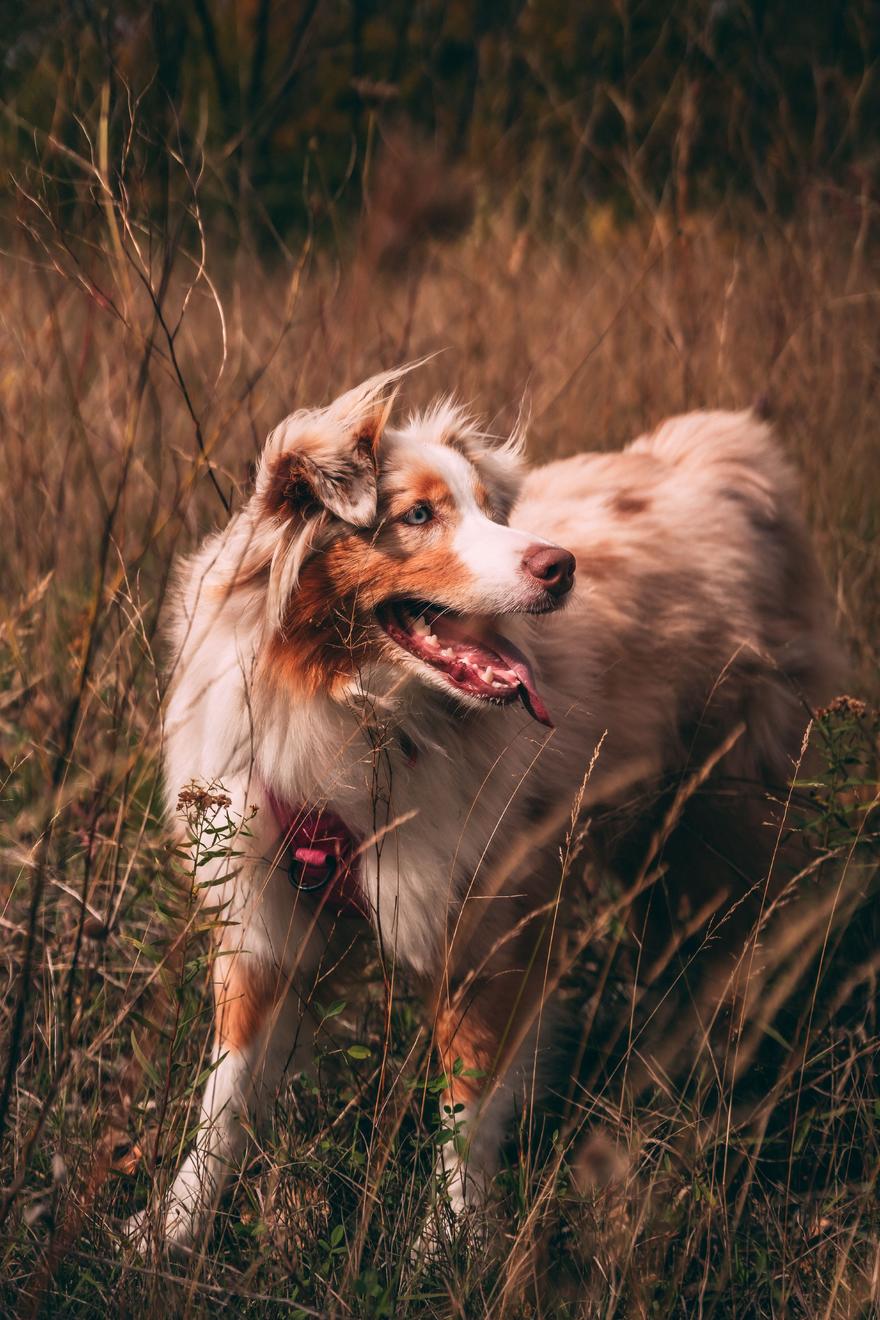
Some people walk the streets. I walk the fields.
It's a small thing. Just a preference. But there was a while where I caught myself judging it — as if walking somewhere quiet and open, instead of somewhere more social, said something about me. As if I needed a reason.
That made me notice something bigger, something I think a lot of us do without realizing it: we take small things and quietly turn them into a story about who we are.
The small verdicts we hand ourselves
It doesn't stop at how we walk. My dog loves going in the mud. Loves it, completely. And there was a version of me thinking, I don't want a muddy dog in my car — and almost immediately following that with a flicker of guilt, like the preference itself needed defending.
None of this is really about mud, or fields, or car seats. It's about how quickly we turn an ordinary preference into evidence for a verdict — that's just who I am, and maybe who I am isn't quite good enough.
The stories don't usually get said out loud. They show up later. In the quiet moments, replaying the day, turning over something small until it feels larger than it ever was.
Why this matters for being present with your dog
Here's the connection I keep coming back to: it's very hard to be present with your dog, or with anyone, while part of you is busy running a trial about your own choices.
Being present with your dog takes a kind of quiet. Not silence, necessarily — just enough spaciousness that you're not constantly being pulled sideways into self-judgment. When you're caught up wondering whether your preferences are acceptable, whether your choices need defending, there's less room left over to actually notice what your dog is communicating in front of you.
Your dog doesn't experience your preferences the way you imagine other people might. Your dog experiences whether you're here — arrived, actually with them — or somewhere else, quietly negotiating with yourself about who you're allowed to be. Dogs notice more than words. They pick up on where your attention actually is, long before anything is said.
You get to decide what's true for you
I don't think there's a single right way to walk through your own life. Some people like the streets. I like the fields. Neither one needs defending.
What I've noticed is that the more willing I am to let my own choices simply be mine — without an internal argument attached — the more present I actually am with my dogs, and the calmer our relationship feels day to day.
That's really the whole thing. Not fixing every preference or explaining every choice. Just noticing when you've started building a case against yourself, and gently putting it down.
If this kind of noticing is new to you, Understand Your Dog. Understand Yourself. is a good place to keep exploring it — not just how your dog sees the world, but how you might be seeing yourself.
