
Rescue Dogs - Loyal Companions
Are you thinking about welcoming a rescue dog into your home? These amazing souls often carry deep stories within them - and when they finally feel safe, their love and loyalty run even deeper.
Because many rescue dogs have been through unique life experiences, they tend to communicate very clearly in their own natural dog language.
With my gentle guidance and understanding of canine communication, you’ll learn how to meet your rescue dog where they are - building trust, calm, and a loving connection from day one.
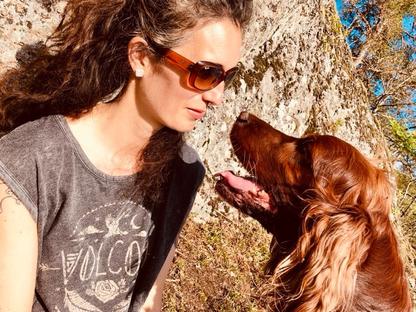
Two Rescue Dogs in my Pack
In my home, I have lived with two rescue dogs, Mojo – my Irish Red Setter (passed 2025) and Moni - my street dog from Portugal. Both came to me with insecurities – and one of them, Moni, couldn’t be re-homed because she had bitten someone. Today, she’s part of my pack, living peacefully with three kids and other dogs.
Nothing is impossible when you take the time to understand a dog’s true nature and how they move through life.
When you see the world through your dog’s eyes, you better understand how to support them in different life situations - whether it’s meeting other packs (dogs and humans), going on walks, creating harmony in your home, or teaching your children how to interact respectfully with your rescue dog.
Sad rescue or just confused?
We humans often misinterpret a dog’s body language. Dogs aren’t usually sad — they’re often just confused by our human world. It’s our job to guide them through a world they don’t fully understand, especially rescue dogs who may have changed homes, states, or even countries.
Dangerous rescue or not understood?
We humans often misinterpret aggression in dogs. An attack is a dog’s last reaction — something it does only when it feels threatened and out of options, or unable to communicate in any other way.
When a rescue dog lashes out, it’s usually not because it’s “dangerous,” but because its boundaries haven’t been respected and it hasn’t felt understood.
Afraid rescue or just confused?
We humans often want to save others – whether people or animals. It comes from a good place, but when it comes to rescue dogs, we need to understand their nature rather than feel sorry for them.
A dog seeks balance. When you pity a dog, it senses that imbalance in you. This can actually create fear and confusion, causing the rescue dog to withdraw. I’ll teach you how to help your dog who has ‘frozen’.
Please book a consultation if you want to learn more about your rescue's communication.